Which Laser System Should Your NZ Clinic Offer? Diode vs Picosecond
Diode or picosecond? The answer depends on your clinic type, location, and patient base—not on which technology is “better.” Both are excellent systems. They just solve different problems.
Summary
This article cuts through the tech specs and shows you which system actually makes sense for your clinic. We’ll walk through different clinic profiles (startup, established, premium, regional) and show you which system generates the most revenue and the fastest ROI based on your specific situation.
Quick answer: Most NZ clinics start with diode (hair removal focus, broad patient appeal, fastest ROI). Later, established premium clinics add picosecond (tattoo removal and rejuvenation for higher-value clients). But your specific choice depends on where you are geographically, what you’re known for, and how you’re positioned.
Part 1: The Core Difference (Why It Matters)
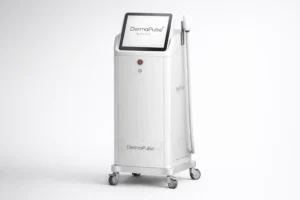
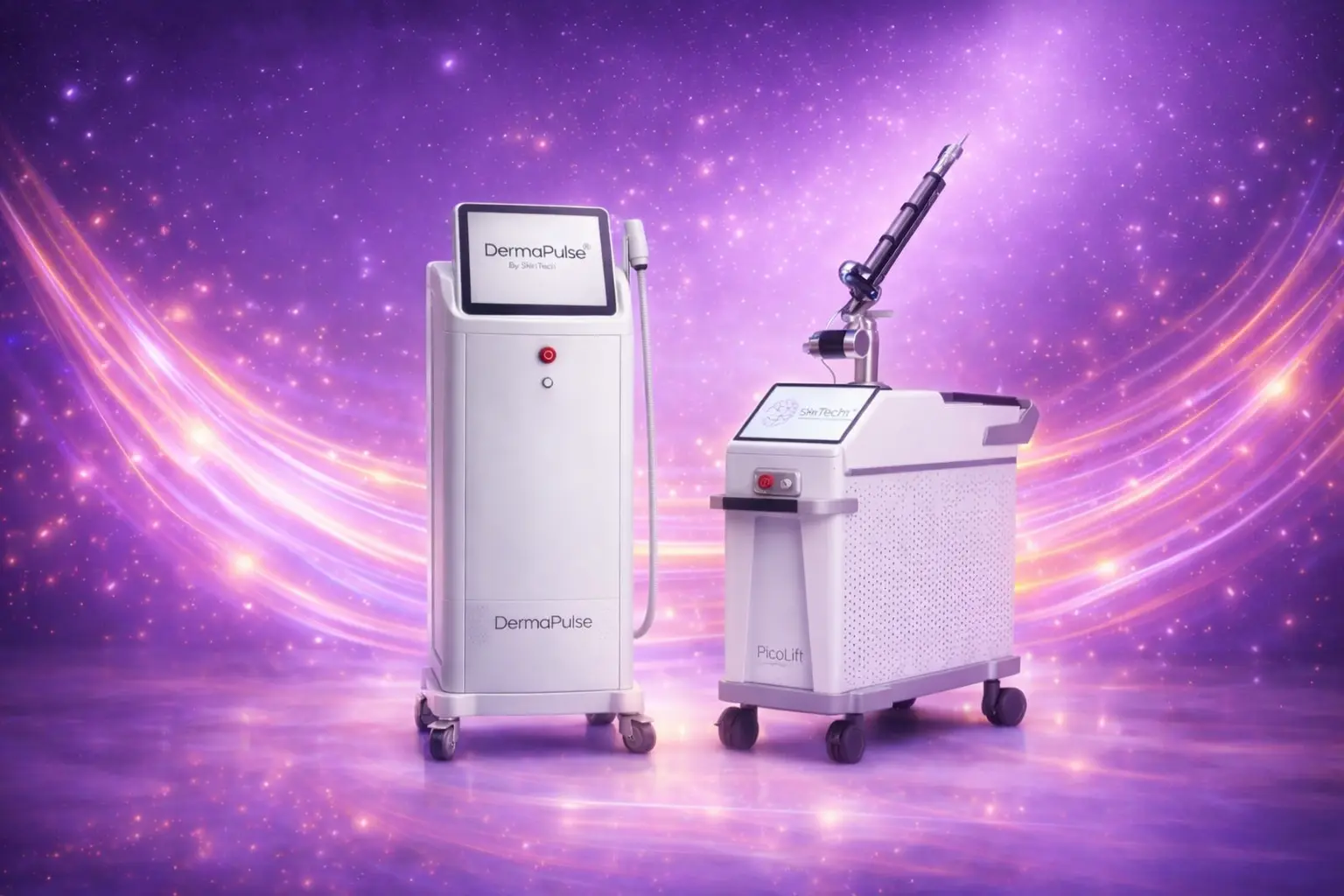
Diode Laser (DermaPulse™):
– Primary use: Hair removal (90% of treatments)
– Patient demand: Very high (broad appeal, all demographics)
– Clinic revenue per session: $150-250
– Training complexity: Low to medium
– Best for: High-volume clinics, market validation, fastest cash flow
Picosecond Laser (PicoLift™):
– Primary use: Tattoo removal, skin rejuvenation
– Patient demand: Lower volume, higher individual value ($300-600 per session)
– Clinic revenue per session: $300-600
– Training complexity: Higher (requires more expertise)
– Best for: Established premium clinics, higher margins, specialist positioning
They don’t compete. They serve different patient needs and different clinic strategies.
Part 2: Which Clinic Type Should Choose Which System?
Clinic Type 1: Startup (New Clinic, Limited Capital)
Your Profile:
– Less than 2 years operating
– Limited upfront capital ($1.5-2.5k/month equipment budget)
– 1-3 practitioners
– Proving market demand is priority #1
– Need fast break-even to show ROI to investors/lenders
The Right Choice: DIODE (DermaPulse™)
Why diode wins for startups:
– Lowest equipment cost: $399/week + GST (~$1,728/month)
– Fastest break-even: 3-4 months with normal booking
– Highest patient demand: Hair removal appeals to everyone
– Simplest to operate: Requires less staff training, fewer complications
– Fastest chair-filling: High-volume treatment (30-60 min sessions)
– Lowest risk: Prove demand without huge capital commitment
Real numbers for startup:
– Month 1-3: $30-40 sessions/month × $200 = ~$7-8k revenue
– Month 4+: $60-80 sessions/month × $200 = ~$12-16k revenue
– Equipment cost: $1,728/month
– Break-even: Month 4-5
– Year 1 profit: $90k-120k
Why NOT picosecond:
– Higher lease cost ($699/week = ~$3,044/month)
– Tattoo removal demand is unpredictable (can’t fill the equipment)
– Requires more experienced staff
– Longer break-even (6-8 months)
– Higher risk if demand doesn’t materialize
Decision: Start with diode. Prove you can run a profitable laser clinic. Add picosecond in Year 2 if you want diversification.
Clinic Type 2: Established Clinic (2-5 Years, Proven Base)
Your Profile:
– Existing patient relationships and referral network
– 3-5 staff with some aesthetic/medical training
– $2-4k/month equipment budget available
– Looking to diversify revenue and deepen patient relationships
– Some practitioners already trained in advanced procedures
You Have Two Paths:
Path A: Diode First (Recommended for Most)
Why:
– Leverage your existing patient base immediately
– Hair removal = “must-have” service that existing clients want
– Build cash flow to fund picosecond later
– Low risk, proven demand already exists
– Easiest for your existing team
Realistic first-year numbers:
– Your existing clients = 100+ new laser clients in Year 1 (word-of-mouth + existing relationships)
– 80-100 sessions/month × $200 = $16-20k/month revenue
– Equipment: $1,728/month
– Break-even: Month 2-3
– Year 1 profit: $150k-180k
Path B: Picosecond First (Only If You’re Premium-Positioned)
Conditions that make this work:
– You already market as “premium/specialist”
– Your clients pay higher prices for services
– You have practitioners trained in medical aesthetics
– Your location is urban (Auckland, Wellington, parts of Christchurch)
– You have existing high-value clients who want tattoo removal or rejuvenation
Why it can work:
– Positions you as “advanced/cutting-edge”
– Higher revenue per treatment ($300-600 vs $150-250)
– Attracts prestige-conscious clients
– Differentiation in competitive market
But realistic numbers show it’s harder:
– Patient volume starts lower (tattoo removal is sporadic)
– 30-40 sessions/month (tattoo removal only) × $400 = $12-16k/month initially
– Equipment: $3,044/month
– Break-even: Month 6-8 (much longer wait)
– Higher risk if demand is lower than projected
Our recommendation: Diode first (faster ROI), then add picosecond in Year 2. You get the best of both: proven revenue + premium expansion.
Clinic Type 3: Premium / Luxury Aesthetic Clinic
Your Profile:
– Known for high-end aesthetic services
– Medical or dermatology credentialing (you or senior staff)
– Higher pricing ($250-600+ per treatment)
– Lower volume, high margins
– Focus on specialized outcomes and prestige
The Right Choice: PICOSECOND (PicoLift™) First, Then Diode
Why picosecond makes sense:
– Positions you as advanced/specialist: Tattoo removal and rejuvenation align with premium brand
– Higher revenue per treatment: $300-600 vs $150-250 (matches your positioning)
– Attracts the right patients: High-spend clients seeking results
– Complements existing services: Adds to your aesthetic menu naturally
– Staff already trained: You likely have practitioners who can handle complex procedures
Real numbers for premium clinic:
– Your existing high-value clients = instant demand
– 40-50 sessions/month × $450 (average) = $18-22.5k/month revenue
– Equipment: $3,044/month
– Break-even: Month 3-4
– Year 1 profit: $120k-160k
Why not skip diode?
– Hair removal seen as “commodity” (lowers premium brand perception)
– But: diode can be added later as convenience service for existing clients
– Recommendation: Year 1-2 = picosecond focus. Year 3+ = add diode as value-add for existing hair removal clients.
Clinic Type 4: High-Volume / Budget-Positioned Clinic
Your Profile:
– Lower price point positioning ($120-180/session)
– High throughput model (many clients, moderate margins)
– Often spa or beauty-therapy background
– Efficiency and volume focused
The Right Choice: DIODE ONLY
Why:
– Best ROI for high-volume model: Hair removal = highest patient volume potential
– Fastest chair turnover: 30-45 min sessions vs longer specialty procedures
– Lowest equipment cost: $1,728/month fits budget model
– Matches your positioning: Hair removal at accessible price = volume business
Why NOT picosecond:
– Higher equipment cost ($3,044/month) reduces margins
– Tattoo removal demand = low and sporadic (can’t fill the equipment)
– Doesn’t fit high-throughput model
– Over-engineered for your patient base
Part 3: Geographic Considerations (NZ-Specific)
Your location matters more than you might think.
Auckland (1.6M population)
- Most competition, largest market
- Premium segment exists, startup segment thriving
- Both systems viable depending on clinic profile
- Diode: High demand (many startups), room for more
- Picosecond: Premium market can support it
Recommendation by profile:
– Startup: Diode (fastest path to profitability)
– Established: Diode first, add picosecond Year 2
– Premium: Picosecond makes sense
Wellington (500k population)
- Professional market, strong aesthetic culture
- Medium competition level
- Fewer startup clinics than Auckland
Recommendation by profile:
– Startup: Diode (proven demand, less saturation than Auckland)
– Established: Diode first (solid base to build from)
– Premium: Picosecond viable, especially medical practices
Christchurch (400k population)
- Rebuilding market, less competition than Auckland
- Growing aesthetic demand
- Strong opportunity for early players
Recommendation by profile:
– Startup: Diode strongly preferred (less competition, high demand opportunity)
– Established: Diode for volume, add picosecond if premium-positioned
– Premium: Picosecond possible but riskier (smaller premium segment)
Regional / Smaller Cities (50k-150k population)
- Small population = patient volume constraint
- Less competition = opportunity
- Limited specialist demand
The Reality:
– Hair removal patient volume: ~200-300 new clients/year possible
– Tattoo removal patient volume: ~5-10 clients/year
– Can’t support picosecond equipment efficiently in most regions
Recommendation: DIODE ONLY
Why: In a town of 80k, you can build a thriving hair removal business. You cannot fill a picosecond laser with sporadic tattoo removal demand.
Exception: If you’re in a regional hub (Tauranga, Hamilton, Dunedin) with 150k+ population AND premium market presence, picosecond becomes viable.
Part 4: How to Decide: Your Decision Framework
Use this checklist to make your choice:
Question 1: What stage is your clinic?
- Startup (< 2 years) → DIODE
- Established (2-5 years) → DIODE FIRST, then picosecond Year 2
- Premium/specialist → PICOSECOND (or diode + picosecond)
Question 2: Where is your clinic located?
- Auckland (any clinic type) → Both viable
- Wellington (any clinic type) → Both viable, but diode safer
- Christchurch (any clinic type) → DIODE preferred
- Regional town (< 150k) → DIODE ONLY
Question 3: What’s your clinic positioned as?
- Budget/volume focused → DIODE ONLY
- Mid-market → DIODE first, add picosecond Year 2
- Premium/specialist → PICOSECOND (+ diode later)
Question 4: What’s your capital budget?
- $1.5-2k/month → DIODE ONLY
- $2-3k/month → DIODE first, Year 2 = add picosecond
- $4-5k+/month → Both simultaneously possible
Question 5: What expertise does your team have?
- Beauty therapy / esthetics background → DIODE first (simpler training)
- Medical / dermatology trained → Both viable, picosecond fits expertise
- No laser experience → DIODE (build confidence, then expand)
Part 5: Equipment Costs (Current Pricing)
Diode Laser (DermaPulse™)
Lease (Recommended for most):
– $399/week + GST (24-month lease)
– Approximately $1,728/month (before GST)
– Includes: system, handpieces, basic support
– Flexibility: upgrade or exit with 90 days notice
Annual cost:
– Lease: $20,736/year
– Consumables: $8-12k/year
– Training/maintenance: $2-3k/year
– Total: $30-36k/year
Picosecond Laser (PicoLift™)
Lease (Recommended for most):
– $699/week + GST (24-month lease)
– Approximately $3,044/month (before GST)
– Includes: system, handpieces, technical support
– Flexibility: upgrade or exit with 90 days notice
Annual cost:
– Lease: $36,528/year
– Consumables: $10-15k/year
– Training/maintenance: $3-5k/year
– Total: $50-57k/year
Part 6: Your Action Plan
If You’re a Startup:
- Lease DermaPulse™ ($399/week)
- Focus on hair removal demand (proven path)
- Build your team and operations
- By month 5-6, you’ll be profitable
- In Year 2, if you have capital: add PicoLift™
If You’re Established (2-5 Years):
- Lease DermaPulse™ ($399/week) first
- Leverage your existing patient base for hair removal
- Build cash flow (expect profitability in months 2-3)
- After 6-12 months of success, evaluate picosecond
- If you’re premium-positioned and want to diversify: add PicoLift™ in Year 2
If You’re Premium/Specialist:
- Lease PicoLift™ ($699/week) for tattoo removal + rejuvenation
- Position as “premium aesthetic technology”
- Expect break-even in months 3-4 with existing client base
- Consider adding DermaPulse™ in Year 2 as convenience service
If You’re Regional (< 150k population):
- Lease DermaPulse™ ($399/week) only
- Hair removal has broad appeal in your market
- Build a thriving high-volume laser business
- Picosecond would sit idle most of the year
Part 7: The Real Bottom Line
Neither system is “better.” They serve different purposes:
- Diode = volume play, broad appeal, fastest ROI, simplest operations
- Picosecond = specialist positioning, higher margins, longer ramp, requires expertise
The winning strategy for most NZ clinics:
1. Year 1: Lease diode, build laser expertise and patient base
2. Year 2: If successful, add picosecond for diversification (if premium-positioned)
3. Year 3+: Run both systems as complementary services
This two-stage approach lets you prove the business model with low risk (diode), then expand into premium services once you have cash flow and expertise.
Your Next Step
Which clinic profile matches yours? That’s your answer. If you’re ready to move forward, SkinTech can help you model the exact financials for your specific clinic scenario.
Get a Personalized Equipment & Lease Plan → We’ll work with your clinic profile, location, and goals to recommend the right system and build a financial projection specific to your situation.
Related Reading
- Diode Laser Hair Removal ROI: Real Numbers from NZ Clinics
- Leasing vs. Buying: Complete Financial Guide for NZ Clinics
- Staff Training for Laser Equipment: Safety & Certification
Meta Description: “Which laser system for your NZ clinic? Diode vs picosecond comparison: choose based on clinic type, location, patient base. Equipment lease costs $399-699/week.”
Primary Keyword: “Diode vs picosecond NZ clinic”
Secondary Keywords: “Which laser equipment should I lease”, “Laser hair removal vs tattoo removal”, “NZ clinic equipment decision”